The Complete Elden Ring Boss Order Guide
One of the most common sources of frustration in Elden Ring is running into a boss that is simply too strong for your current character. You charge in confidently, get annihilated in two hits, and wonder if you missed some crucial piece of content. This Elden Ring boss order guide exists to solve that problem. We will walk you through Elden Ring bosses in order of difficulty, tell you when to fight each one, and help you avoid the painful cycle of repeated defeats that can sour the entire experience.
Elden Ring is not a linear game. You have multiple paths available at almost every stage of the adventure. But that freedom comes with a catch: if you wander into the wrong area at the wrong time, you will encounter enemies and bosses that far exceed your level. This guide maps out the ideal progression path so you always have a clear next target.
Recommended Boss Order for Your First Playthrough
Limgrave — The Opening Act
Limgrave is the starting area, and the bosses here are designed to teach you the fundamentals. Here is the order you should tackle them in:
- Margit, the Fell Omen (Recommended Level: 20-25) — Your first major roadblock. Margit guards the entrance to Stormveil Castle. He has a complex moveset with delayed attacks and a hammer that creates shockwaves. Take your time, learn his patterns, and do not be afraid to summon Spirit Ashes. If you are stuck at level 15 or below, go explore more of Limgrave first.
- Morne the Troll (Optional, Level 15-20) — Found at the end of the Weeping Peninsula. A straightforward fight that teaches you about big, slow enemies with heavy attacks. Rewards the Sword of Morne.
- Godrick the Grafted (Level 25-30) — The first mandatory demigod boss. Godrick has two phases. Phase one is relatively manageable. Phase two adds a dragon head that breathes fire. Upgrade your weapon to +5 or higher before this fight, and it becomes significantly easier.
Liurnia of the Lakes — The Magical Swamp
After Stormveil Castle, you gain access to Liurnia. This area is larger and more open, with multiple paths forward. Here is the recommended boss progression:
- Red Wolf of Radagon (Level 35-40) — Found in the Academy of Raya Lucaria. A fast, aggressive boss that teleports and combos aggressively. Magic users should bring a strong shield or spirit ash to tank the hits.
- Rennala, Queen of the Full Moon (Level 40-45) — The boss of the Academy. Rennala has two phases. Phase one involves fighting her students. Phase two is a spectacular magical showdown. This fight is more about dodging and positioning than raw damage.
- Royal Knight Loretta (Level 40-45) — Found at the Manor in the northwest. A tough optional boss with powerful ranged attacks and a mist phase. Worth fighting for the Ash of War drop.
Caelid and Altus Plateau — The Mid-Game Expansion
After Liurnia, you have several paths. We recommend exploring Caelid for key items and then moving to the Altus Plateau. The boss order here is:
- Starscourge Radahn (Level 50-60) — The festival boss in Caelid. This is one of the most memorable fights in the game, and you can summon NPCs to help. Radahn has massive area-of-effect attacks and a gravity phase that covers the entire arena. Do not skip the festival event — it is one of the best-designed encounters in the game.
- Godrick's Dream variant (if missed) or Full-grown Fallingstar Beast (Level 45-50) — Found in various locations. These are tough but manageable with proper preparation.
- Margit's Shadow / Godrick's Shadow (Level 50-55) — Rematches in the Legacy Dungeons. These are harder versions of earlier bosses and serve as skill checks before the later game.
The Late Game: Mt. Gelmir, Mt. Forge, and Beyond
Once you have cleared Liurnia and the Altus Plateau, the game opens up dramatically. Here is the late-game boss order we recommend:
- Rykard, Lord of Blasphemy (Level 60-70) — Found in Mt. Gelmir. This is arguably the easiest demigod fight in the game if you use the special weapon provided in the arena. The fight is almost trivially easy, but Rykard drops incredible rewards.
- Morgott, the Omen King (Level 70-80) — Found in Leyndell, Royal Capital. Morgott is a significant skill check. He has fast combos, a tree-spear attack that covers the arena, and massive health. Upgrade your weapon to +15 or higher before this fight.
- Fire Giant (Level 80-90) — Found at the Mountaintops of the Giants. A huge, slow boss with devastating fire attacks. The arena is large, so use the space to dodge and recover.
The Final Act: Ending the Game
After the Mountaintops of the Giants, you enter the endgame. These are the final bosses in the Elden Ring bosses in order sequence:
- Godskin Duo (Level 85-95) — Found in Crumbling Farum Azula. Two bosses at once. Focus the Godskin Noble first, then the Apostle. Spirit Ashes are essential here.
- Dragonlord Placidusax (Level 90-100) — An optional super-boss in Crumbling Farum Azula. One of the hardest fights in the game. Rewards the best lightning incantation and a legendary weapon.
- Radagon of the Golden Order / Elden Beast (Level 100+) — The final two bosses. They share a health bar and fight back to back. Radagon is a brutal melee fight. The Elden Beast is a spectacular magical showdown. This is the ultimate test of everything you have learned.
Optional Bosses Worth Fighting
Not every boss is mandatory, but some optional bosses are worth seeking out for the rewards and the experience:
- Lategas the Dragon — Found in Limgrave. An early optional dragon fight that teaches you how to handle larger enemies.
- Dragonkin Soldier — Multiple variants exist across the game. Each drops valuable smithing stones and weapons.
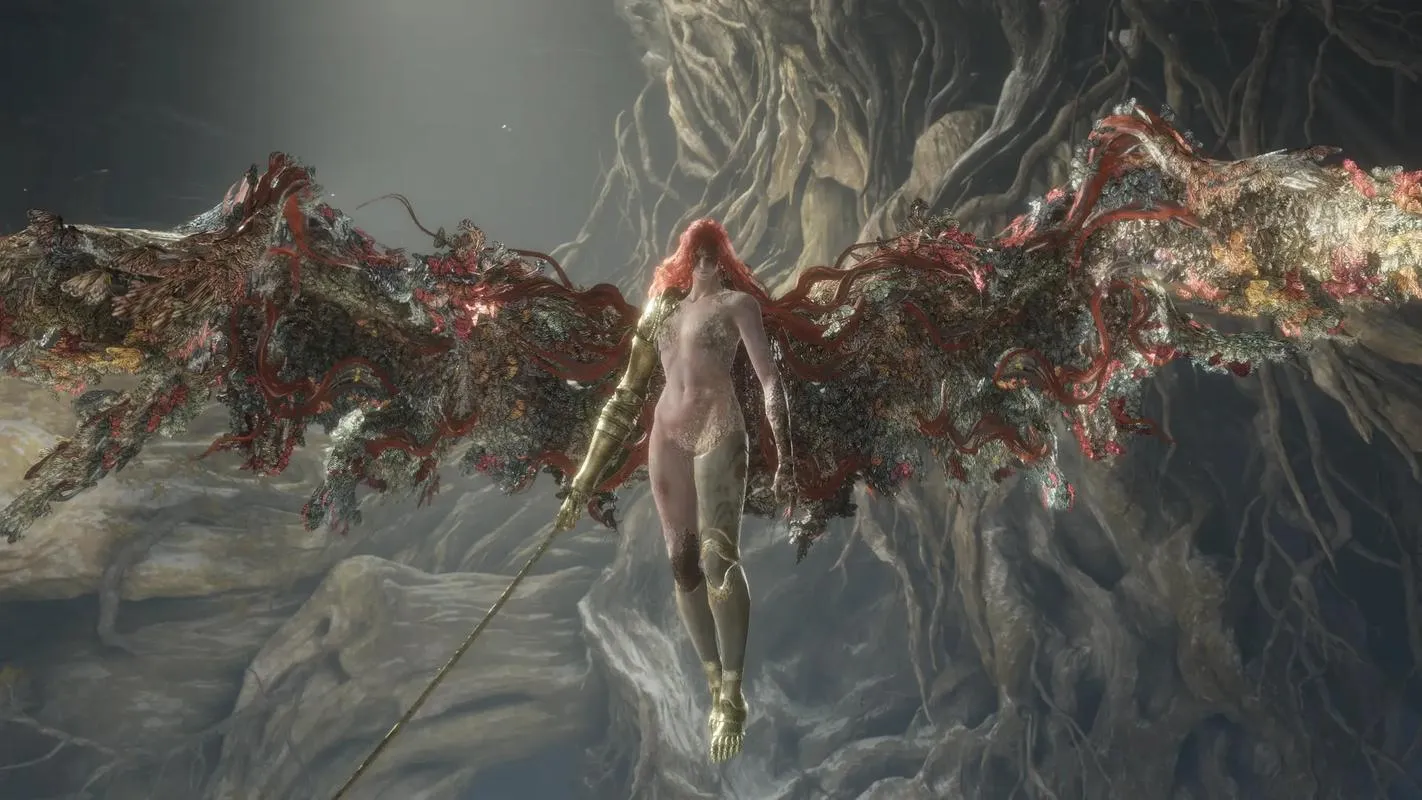
- Malenia, Blade of Miquella — The hardest boss in the game. She lifesteals on every hit, has a Waterfowl Dance that is nearly unblockable, and will test everything you have learned. Only attempt this fight if you are looking for a genuine challenge.
- Mohg, Lord of Blood — Found in Mohgwyn Palace. A tough but fair fight with spectacular visual design.
Tips for Difficult Boss Fights
No matter what order you fight bosses in, some encounters will test your patience. Here are universal tips for overcoming tough fights:
- Upgrade your weapon to the maximum safe level before the fight. A +15 weapon hits dramatically harder than a +10 weapon, and the difference is often enough to turn a losing fight into a winning one.
- Use Spirit Ashes. There is no shame in summoning help. The Mimic Tear is the best all-around option, but Lone Wolf Ashes and Jellyfish Ashes are also excellent choices.
- Experiment with resistances. Many bosses are weak to specific damage types. Fire, magic, bleed, and frost all have bosses that crumble to them. Check community resources if you are stuck.
- Level Vigor to at least 40. Surviving an extra hit gives you time to learn the boss's patterns and recover from mistakes.
- Learn one phase at a time. Most bosses have two or three phases. Focus on surviving phase one consistently before worrying about phase two.
Final Thoughts
This Elden Ring boss guide is designed to help you experience the game in the order the developers intended, with a smooth difficulty curve that builds your skills gradually. But remember: the beauty of Elden Ring is that you can forge your own path. If you want to fight Malenia at level 30, go for it. If you want to clear every optional boss before touching the main story, that works too. The Lands Between are yours to explore.